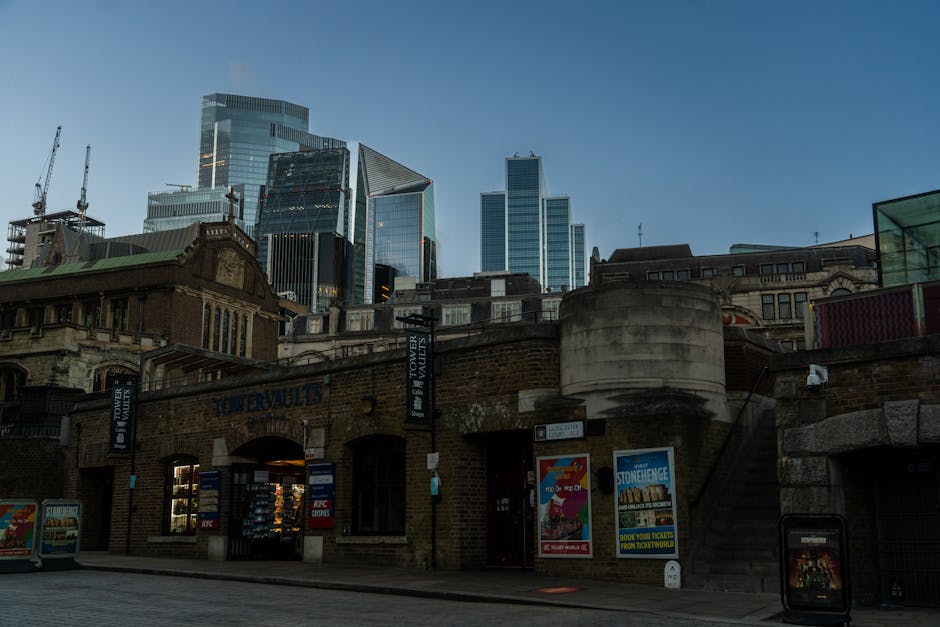
Avoid hidden cleaning charges in Whitechapel Tower Hamlets tips
If you have ever booked a cleaner and then watched the final bill creep up for "extras" you never expected, you are not alone. In Whitechapel and across Tower Hamlets, the difference between a fair quote and a frustrating one often comes down to the small print, the inspection process, and how clearly the service is scoped from the start. This guide on Avoid hidden cleaning charges in Whitechapel Tower Hamlets tips walks you through what to look for, what to ask, and how to avoid those awkward end-of-job surprises. A little preparation really does save money - and a lot of stress.
Whether you need carpet cleaning, sofa cleaning, stain removal, or a more complex deep clean, the same basic rules apply. Ask precise questions, compare like for like, and make sure the quote reflects your property, not a best-case guess. Sounds obvious, perhaps. Yet that is exactly where many people get caught out.
Expert summary: The best way to avoid hidden cleaning charges is to confirm the exact scope, check what is included, ask about access and parking, and get any likely add-ons written down before the visit.
Table of Contents
- Why avoiding hidden cleaning charges matters
- How hidden cleaning charges usually happen
- Key benefits and practical advantages
- Who this is for and when it makes sense
- Step-by-step guidance
- Expert tips for better results
- Common mistakes to avoid
- Tools, resources and recommendations
- Law, compliance, standards, and best practice
- Options, methods, or comparison table
- Case study or real-world example
- Practical checklist
- Conclusion
- Frequently asked questions
Why Avoid hidden cleaning charges in Whitechapel Tower Hamlets tips Matters
Cleaning pricing can look simple at first glance: a room rate, a sofa rate, maybe a call-out fee. But the final invoice is where things get interesting. Hidden cleaning charges usually appear when a company has not explained the full scope, or when the property turns out to be more complex than the quote assumed. In a busy part of East London like Whitechapel, where homes range from compact flats to larger shared properties and mixed-use buildings, that difference can be quite significant.
This matters because most people are comparing services under pressure. Maybe the carpet has a stain before visitors arrive. Maybe a landlord inspection is looming. Maybe a tenant has just moved out and the place needs a reset. When you are in a hurry, the cheapest headline price can feel like the safest choice. But to be fair, the cheapest quote is often only cheap because it leaves something out.
Hidden charges do more than increase cost. They also damage trust. A clear quote creates a calmer experience, better expectations, and fewer awkward conversations on the doorstep. That applies whether you are booking carpet cleaning, sofa cleaning, or a full property refresh.
Local relevance matters too. Whitechapel properties may involve stair access, controlled entry, shared hallways, limited parking, or strict building rules. None of that is unusual. But if it is not discussed in advance, it can end up appearing as an extra charge later. No one enjoys that little moment when the quote suddenly grows legs.
How Avoid hidden cleaning charges in Whitechapel Tower Hamlets tips Works
The process is simple in principle: you identify the likely extras before booking, ask the right questions, and insist on a quote that describes exactly what is and is not included. The tricky part is knowing where the hidden costs usually hide.
Common examples include:
- heavy staining that needs extra treatment
- furniture moving beyond the standard setup
- parking or congestion-related costs
- very large rooms or unusually shaped spaces
- extra visits for drying, repeat treatment, or spot correction
- specialist fabric care or delicate materials
- access issues such as upper-floor flats without a lift
It is worth remembering that not every extra charge is unfair. Some jobs genuinely need more time or specialist products. The real problem is when the customer is not told clearly before work starts. A good cleaner should be able to explain how their pricing works in plain English, and if they cannot, that is a useful warning sign.
For example, a standard upholstery clean may cover a set number of seats, but pet odour treatment, deep stain removal, or same-day turnaround may be priced separately. That is normal if it is explained. It becomes annoying if it appears as a surprise at the end. If you need more specialist help, pages like upholstery cleaning, pet stain and odour removal, and stain removal can help you understand the type of work involved.
The key is transparency. A reputable company should not mind answering questions before the appointment. In fact, the better firms usually welcome them because they reduce misunderstandings later. Strange as it sounds, a few extra minutes on the phone can save you a very real headache on the day.
Key Benefits and Practical Advantages
Taking the time to avoid hidden fees brings more than just cost control. It gives you a better booking experience from start to finish.
- More accurate budgeting: You know the real total before you commit.
- Fewer disputes: Clear terms reduce the chance of disagreements after the clean.
- Better service matching: The cleaner can bring the right equipment and products.
- Less downtime: Jobs are less likely to overrun because the scope is agreed.
- Stronger trust: You can judge the company by how openly it explains pricing.
There is also a quieter benefit: peace of mind. If you have ever had cleaners arrive while you are juggling work calls, kids, or a delivery that has already rung twice, you will know how valuable it is to feel certain about the bill. That certainty matters.
For households with rugs, curtains, or soft furnishings, the same principle applies. Comparing rug cleaning and curtain cleaning options side by side can help you see which provider is upfront about add-ons and which one is vague. Vague pricing rarely ages well.
Who This Is For and When It Makes Sense
This advice is useful for almost anyone booking a cleaning service in Whitechapel or Tower Hamlets, but some people benefit more than others.
It makes sense if you are:
- a tenant preparing for end-of-tenancy checks
- a landlord arranging a turnover clean
- a homeowner dealing with stains, odours, or spill damage
- a busy household trying to tidy up after renovation or moving day
- a business or office manager comparing commercial cleaners
It also makes sense if you have a property with awkward access, parking restrictions, or delicate surfaces. Commercial spaces can be especially prone to extras because the scope changes from one site to another. If that sounds familiar, it may help to look at commercial carpet cleaning and steam carpet cleaning as examples of services where room size, access, and soil level can affect the final price.
Homeowners with pets should be extra alert. A standard clean may improve appearance, but it may not fully address odour or deep contamination. If you need a specialist approach, ask whether the quoted service covers pre-treatment, extraction, and follow-up drying. That is where the small print can bite.
Truth be told, anyone who dislikes surprises should use this approach. Which is most of us, really.
Step-by-Step Guidance
Here is a straightforward way to reduce the risk of hidden cleaning charges before you book anything.
1. Describe the job in detail
Do not just say "I need the carpet cleaned." Explain the number of rooms, floor type, visible stains, pet issues, furniture, access, and whether you need the clean for a move-out, event, or regular upkeep. The more exact your description, the more reliable the quote.
2. Ask what is included in the base price
Find out whether the quote includes pre-inspection, pre-treatment, extraction, drying guidance, and VAT if applicable. Ask whether stairs, hallways, or entry points are covered. A cleaner who answers clearly is usually safer than one who gives a breezy, one-line reply.
3. Ask about possible extras before you book
Examples include deep stain treatment, odour neutralisation, heavy furniture moving, severe soiling, parking costs, and after-hours work. Ask for these in writing if possible, even if it is just an email or booking confirmation.
4. Check the company's terms and pricing pages
Before you commit, review the provider's pricing and quotes information and their terms and conditions. You are looking for plain language, not tiny-print gymnastics.
5. Confirm access and practical logistics
Parking, lift access, entry codes, building rules, and loading time can all affect the job. If you are in a busy street near Whitechapel Road or in a shared building, mention that early. It saves everyone time.
6. Get the final price structure in writing
You do not always need a formal contract, but you should have written confirmation of what was agreed. That makes any later discussion much easier. And yes, it is worth keeping.
7. Reconfirm on the day
When the cleaner arrives, walk them through the property and point out the problem areas again. A quick five-minute check can prevent a minor misunderstanding from becoming an invoice issue later.
Expert Tips for Better Results
Here is where a bit of experience helps. The most cost-effective bookings are not always the cheapest ones; they are the ones with the fewest unknowns.
- Ask for a scope-based quote, not a vague estimate. "Two bedrooms plus hallway, light staining, first-floor flat" is much better than "small job."
- Separate cleaning from restoration. A clean improves appearance. Restoration of damaged fibres or permanent discolouration is a different matter.
- Be cautious with ultra-low offers. If a price looks unusually low, check whether it excludes access, stain treatment, or minimum call-out fees.
- Match the service to the material. Soft fabrics, rugs, and mattresses often need different methods. A one-size-fits-all quote is usually too optimistic.
- Ask how the cleaner handles surprises. A professional answer sounds like: "We will confirm before doing any extra work."
If you are booking several services in one visit, ask whether there is a package structure or combined pricing. For example, pairing sofa cleaning with rug cleaning may be more efficient than booking them separately, depending on the setup. You will notice this most when the technician is already there and the job runs smoothly - no waiting around, no awkward recalculations.
A useful habit is to keep screenshots or emails of every quote. Not glamorous, admittedly, but effective. The best receipts are the ones you can find quickly when needed.
Common Mistakes to Avoid
Most hidden charges are preventable, but people still get caught by the same few mistakes.
- Focusing only on the headline price. The cheapest first number is not the cheapest final bill.
- Failing to mention stains or odours. These often trigger extra treatment.
- Ignoring access details. A third-floor flat with no lift is not the same as a ground-floor job.
- Assuming every cleaner includes the same things. One company may include pre-treatment; another may not.
- Not asking about minimum charges. Smaller jobs sometimes still carry a minimum fee.
- Leaving parking to chance. In parts of Tower Hamlets, this can become an unexpected cost if it is not discussed.
Another common one: people wait until the cleaner is standing in the hallway before asking what the total might be. That is a bit late, really. By then, you have far less room to negotiate or walk away.
Also, if a company avoids giving written confirmation, take that seriously. It does not automatically mean they are dishonest, but it does mean you are taking a risk you do not need to take.
Tools, Resources and Recommendations
You do not need special software to avoid hidden cleaning charges. A short checklist and a calm approach are usually enough. Still, a few practical tools help.
- A written room list: note each area you want cleaned, plus any problem spots.
- Phone photos: useful for showing stains, marks, or access conditions when requesting a quote.
- A comparison note: record what each cleaner includes, not just the price.
- Email confirmation: keeps the agreed scope in one place.
It can also help to review the cleaner's service pages before booking so you understand what each treatment generally covers. For softer furnishings, consider mattress cleaning or upholstery cleaning if those are the items causing the problem. If the issue is specifically a tough mark rather than general dirt, stain removal is the page to review first.
And if you value environmental responsibility as well as price clarity, it is worth checking the provider's approach to recycling and sustainability. Cleaner pricing and cleaner practices are not the same thing, but they often sit well together.
Law, Compliance, Standards, or Best Practice
For most cleaning bookings, the most relevant standard is not a strict legal rule about pricing; it is good business practice. In the UK, customers should receive clear, fair, and not misleading information before agreeing to a service. That means pricing should be understandable, and any important limitations should be disclosed early.
In practical terms, that means:
- quotes should explain what is covered
- any likely extras should be flagged before work begins
- terms should be readable and accessible
- payment handling should be secure and transparent
For your own peace of mind, it is sensible to choose a company that publishes helpful policy pages and explains how it works. Pages such as health and safety policy, insurance and safety, and payment and security can give you a better sense of how the business operates. That is not just admin. It tells you whether the company takes customer protection seriously.
If anything feels unclear, ask before you book. That simple habit does more than most people realise. It keeps the service on the right side of fairness and saves a lot of back-and-forth later.
Options, Methods, or Comparison Table
When comparing cleaners, the price structure matters just as much as the service description. Here is a simple way to judge what you are being offered.
| Pricing approach | What it usually means | Risk of hidden charges | Best use case |
|---|---|---|---|
| Fixed quote | A set price for a clearly defined job | Low, if the scope is accurate | Standard carpet, sofa, or rug cleans |
| Estimate | A likely price that may change after inspection | Medium to high | Jobs with uncertain condition or access |
| Base price plus extras | Core service with optional add-ons | Medium, if extras are not listed well | Jobs involving stains, odours, or special fabrics |
| On-site quote | Final price confirmed after inspection | Low to medium | Complex properties or commercial premises |
A fixed quote is often the easiest option for customers, but only if the provider has enough information to quote accurately. Estimates can still be useful, especially for unusual jobs, but they need clearer caveats. On-site quotes may feel less convenient at first, yet they are often fairer for complex properties because the technician can see exactly what they are dealing with.
If your job involves multiple areas, a combined quote can be better than separate bookings. That said, if each service is different in condition or size, you should still expect separate line items. Honest pricing is not always simple pricing.
Case Study or Real-World Example
Imagine a two-bedroom flat in Whitechapel after a long tenancy. The tenant wants the carpets cleaned, a sofa refreshed, and one bedroom treated for a coffee stain. They ring three companies.
The first company gives a low headline number and says "extras may apply." That is not very helpful. The second company asks about room sizes, access, parking, and the stain, then sends a written quote with a list of exclusions. The third company offers a cheap fixed price, but only for "light maintenance cleaning" and not for stain treatment.
The second quote is not necessarily the cheapest. But it is the most usable. The tenant can see exactly what is included, and there is less chance of dispute when the team arrives. The cleaner arrives at 9:00 a.m., takes a quick look, and starts without haggling over the basics. That is the kind of booking most people actually want.
Now, could the other options still work out fine? Sure. Sometimes they do. But if your aim is to avoid hidden cleaning charges, clarity beats optimism every time.
Practical Checklist
Use this checklist before you confirm any cleaning booking in Whitechapel or Tower Hamlets:
- Have I described the rooms, fabric, and condition clearly?
- Did I mention stains, pet issues, or odours?
- Do I know what the base price includes?
- Have I asked about likely extras?
- Do I understand the access and parking position?
- Have I read the pricing and terms pages?
- Do I have the quote in writing?
- Am I clear on the payment method and timing?
- Did the company explain what happens if the job changes on arrival?
- Do I feel comfortable that the pricing is fair and transparent?
If you can tick most of those boxes, you are in a much stronger position. Not perfect, perhaps, but strong enough to avoid the common traps.
And if something still feels off, pause. There is no prize for rushing into a booking that makes you uneasy.
Get a free quote today and see how much you can save.
Conclusion
The real trick to avoiding hidden cleaning charges in Whitechapel Tower Hamlets is not luck. It is clarity. When you describe the job properly, ask about exclusions, check access details, and request written confirmation, you remove most of the uncertainty that leads to surprise costs.
That approach works whether you are booking carpet cleaning, sofa cleaning, stain removal, or a more specialist service for rugs, curtains, or mattresses. It also helps you compare providers on a fair basis, which is especially useful in a busy area where time is tight and properties are often a little different from one another.
To be fair, no service quote is perfect. Real jobs vary. But a good cleaner will tell you that upfront and give you a sensible explanation rather than a vague promise. That kind of honesty is worth paying for.
So take a breath, ask the awkward questions early, and keep the paper trail. Small effort. Big difference.
Frequently Asked Questions
What are hidden cleaning charges?
Hidden cleaning charges are extra costs that are not clearly explained before you book. They might include stain treatment, access issues, parking, deep cleaning for heavy soiling, or charges for moving furniture.
How can I avoid surprise fees when booking a cleaner in Whitechapel?
Ask for a written quote, confirm what is included, mention stains and access problems, and check the company's pricing and terms pages before agreeing to the work.
Is a cheap cleaning quote always a bad sign?
Not always, but an unusually low quote should make you ask more questions. If it leaves out stain treatment, parking, or basic preparation, the final cost may end up higher than expected.
Should I mention pet stains before the cleaner arrives?
Yes. Pet stains and odours can require specialist treatment, and that is one of the most common reasons a standard cleaning price changes.
Do cleaners usually charge extra for stairs or upper floors?
Sometimes, yes. It depends on the company and the building access. If the property has no lift or difficult entry, ask in advance whether that affects the price.
What should be written in a cleaning quote?
A good quote should say what areas are being cleaned, what level of cleaning is included, what is excluded, and whether any extra costs might apply.
Can I get a fixed price instead of an estimate?
Often, yes, especially for standard jobs with clear room sizes and conditions. Fixed pricing is usually easier to budget for, as long as the scope is accurate.
Are parking charges normal for cleaners in Tower Hamlets?
They can be, depending on the location and access requirements. The important thing is that they are explained before the visit, not added at the end without warning.
What if the cleaner finds more damage on the day?
A professional cleaner should pause and explain the situation before carrying out extra work. You should always have the chance to agree or decline additional charges.
Does deep cleaning cost more than regular cleaning?
Usually, yes. Deep cleaning takes more time, more product, and often more specialist methods. That does not mean it is overpriced; it just needs to be priced clearly.
How do I compare cleaning companies fairly?
Compare the scope, inclusions, exclusions, and written terms rather than only the headline price. That gives you a much truer picture of value.
What is the safest next step if I am unsure about a quote?
Ask for clarification in writing before booking. If the answer still feels vague, keep looking. A transparent company will not mind explaining things twice.